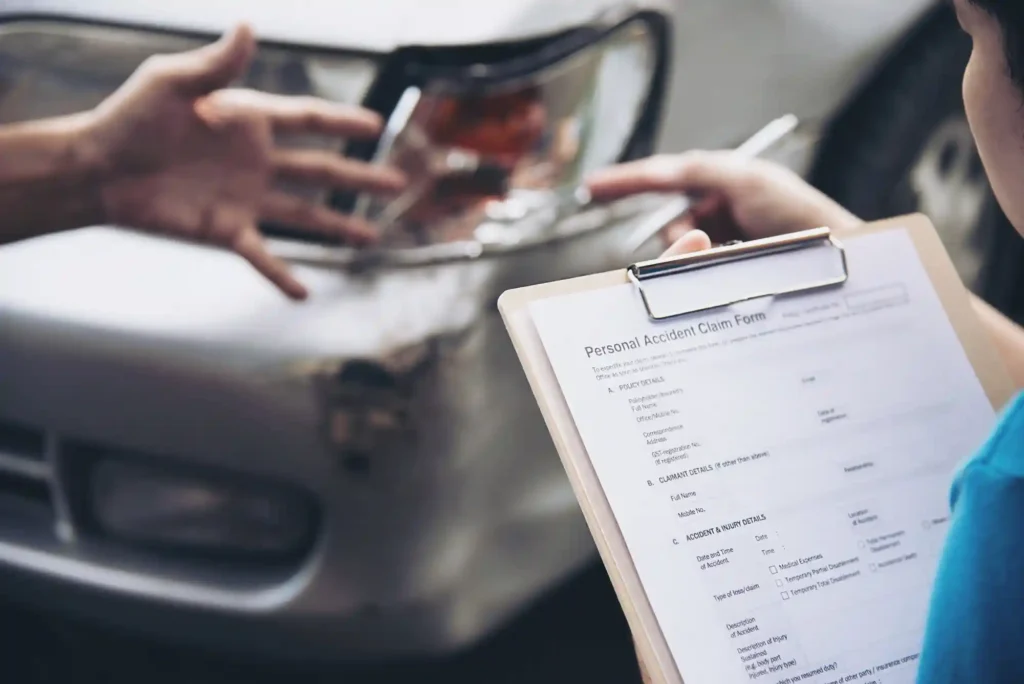

A car that spends most of its time parked may seem less exposed to trouble, but limited driving does not remove the risks attached to ownership. Damage can happen in a parking area, during an unexpected storm, or through theft and deliberate mischief.
Repair bills can also be difficult to absorb without suitable protection. Comprehensive cover remains relevant because it protects the vehicle against several risks that have little to do with how often it is actually driven over time.
Protection against Accidental Damage
Occasional driving still brings the possibility of an accident. A short trip to work, the market, a family function, or a service centre can expose the vehicle to unexpected road situations. Car insurance with comprehensive protection can help manage eligible repair expenses arising from accidental damage, subject to the terms and conditions of the policy.
- Protection can apply after an accidental collision.
- Damage caused during a brief journey may still be significant.
- Cover can support repairs without relying entirely on personal savings.
Coverage Even When the Car Is Parked
A parked car is not completely protected from damage. Another vehicle may scrape it, a falling object may strike it, or an incident in a residential or public parking area may leave visible damage. Comprehensive cover can remain useful even when the vehicle is stationary.
- Parking areas can expose cars to accidental contact.
- Falling branches or objects may damage the body or glass.
- Unplanned incidents can occur even when the owner is not physically present nearby at that particular moment.
Financial Safety from Theft and Vandalism
Cars that remain parked for long periods can still attract risks such as theft, attempted theft, or intentional damage. Limited use may reduce road exposure, but it does not remove the financial value of the vehicle. Comprehensive car insurance can provide broader protection against such events, depending on the policy.
- Theft can create a major financial setback.
- Attempted theft may damage locks, windows, or panels.
- Vandalism can lead to repair expenses even without the car being actively driven at all.
Protection against Fire and Natural Disasters
Weather and environmental events do not depend on driving frequency. A rarely used car may still face damage from fire, flooding, storms, falling trees, or other natural events while parked at home or elsewhere. Comprehensive protection can therefore remain relevant across changing conditions.
- Fire-related damage can affect a stationary vehicle.
- Heavy rain or flooding may damage parked cars.
- Storms can cause falling objects or debris to hit the vehicle.
- Coverage depends on policy terms and applicable conditions in each case.
Low Driving Does Not Mean Zero Risk
Driving less may lower exposure to everyday traffic, but ownership itself brings continuing risks. The car still occupies a physical space, faces weather, can be moved by others, and may occasionally be taken on the road. Insurance decisions should therefore consider overall exposure rather than mileage alone.
- Risk continues while the car is parked.
- Short journeys can still involve accidents.
- External events may affect the vehicle without warning.
- Rare use changes the risk pattern, not its existence entirely for owners.
Expensive Repair Costs Can Still Arise
Repair expenses are not always linked to how far a car travels. A single impact, broken windscreen, damaged body panel, or weather-related incident may require professional repair. For owners who drive only occasionally, an unexpected bill can still affect monthly finances. Comprehensive cover can help manage such situations, subject to the policy.
- Modern parts can require specialised repair.
- Bodywork damage may involve several components.
- Unexpected repairs can disturb planned household spending.
- Insurance can reduce dependence on personal funds when needed.
Maintaining Better Overall Financial Protection
A rarely driven car can still represent a meaningful financial asset. Leaving it protected only for limited risks may expose the owner to expenses that could otherwise be manageable through broader insurance. Comprehensive cover can support balanced financial planning by addressing several vehicle-related risks under one policy framework.
- It can reduce exposure to sudden repair expenses.
- It helps protect the value invested in the vehicle.
- Broader cover can provide greater financial preparedness.
- Benefits remain subject to policy terms and conditions.
When Comprehensive Insurance Still Makes Sense
Comprehensive cover can be especially relevant when the car has meaningful value, is parked in an open or shared area, or is exposed to weather-related risks. It may also suit owners who prefer wider financial protection even with low annual usage. The decision should reflect the vehicle, parking environment, personal finances, and comfort with risk.
- Consider the car’s current value and repair needs.
- Review where the vehicle is usually parked.
- Assess ability to handle unexpected losses.
- Read policy terms carefully.
Conclusion
A car does not need to be driven every day to face meaningful risks. Parking damage, theft, fire, weather events, and occasional road incidents can still lead to unexpected repair or replacement expenses. Comprehensive insurance remains relevant because it looks beyond driving frequency and considers the wider risks linked to owning a vehicle. For people who use their cars sparingly, the right decision comes from balancing the vehicle’s value, its surroundings, financial comfort, and the protection offered by the policy.