


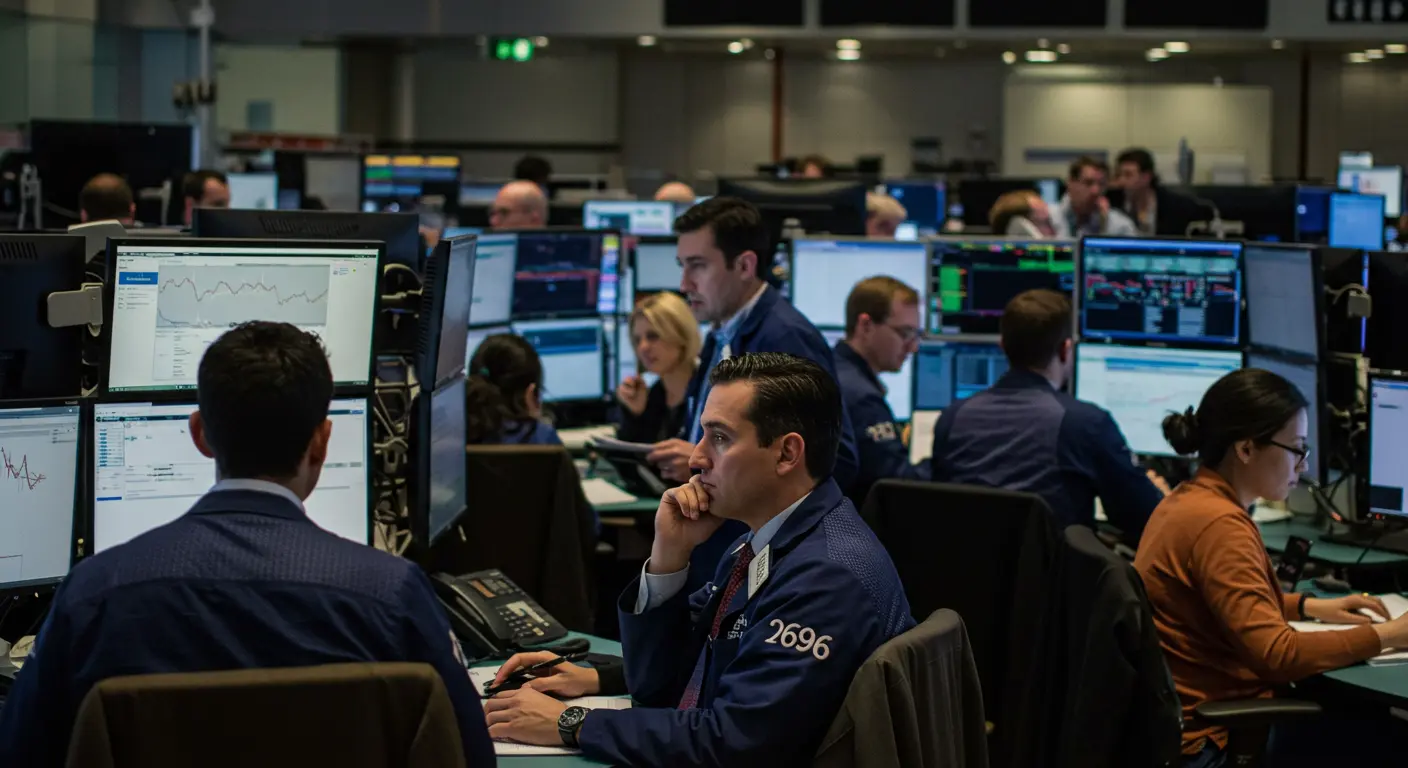

Indices trading is mostly looked at from the “big picture” perspective in an ever-dynamic financial environment where tickers flash and charts speak. Indeed, you’re not simply trading a single stock; you’re trading the sentiment, performance, and direction of a whole economy or sector. Still, beyond those candlesticks and percentages, it’s an utterly human journey of learning, patience, discipline, and strategy.
What Exactly Is Indices Trading?
Let’s start with the basics. Basically, an index (the plural form being indices) is a collection of stocks that represent a certain market or market segment. The S&P 500 is made up of 500 of the largest companies in the U.S.; the Dow Jones Industrial Average (DJIA) includes only 30 of America’s major companies. Over in Europe, you have the FTSE 100 (the UK) and DAX 40 (Germany). Indices trading is basically speculating on whether these groups of stocks are going to gain or lose value.
When you are trading stocks, your focus is a company; when indices trading comes into play, it covers macro-factors such as economic growth, interest rate changes, geopolitical tension, or shifts in investor sentiment.
What Attracts Average Traders to Indices Trading?
One big draw for traders is that indices keep the stress of trying to pick individual winners or losers off their back. Let us be frank; trying to pick the next Amazon or avoiding the next Enron is hard work. Indices facilitate the spreading of risk across a number of companies; should one stock in the index fail, others may be able to offset that loss.
In conclusion, trading indices is also generally less volatile and, particularly with major indices like the S&P 500 or the Nasdaq 100, tends to be more stable. This naturally attracts new retail traders and seasoned investors interested in pursuing the big-picture angle.
Real Indices Trading
Here’s where things get interesting. You don’t buy 500 purchases of the S&P 500 to trade it. Rather, you trade derivatives like CFDs (Contracts for Differences), futures, and ETFs (Exchange Traded Funds) that replicate the motion of the index. This way, you can speculate on price movement without owning the underlying assets.
It’s easy with the platforms: choose an index, choose your position (buy/sell), define your risk parameters (stop-loss/take-profit), and start trading. Traders use leverage to control larger positions with a relatively small investment. Risk management is also important because leverage magnifies both profits and losses.
It’s Not a Get-Rich-Quick Game
If there’s any thought lingering in your mind that indices trading is some kind of fast track to riches, now it’s time to put the brakes on that. The most successful indices traders are no magicians-they follow methods. They study charts and economic calendars, keep track of global news, understand economic indicators, and most importantly, they protect their capital.
Great traders treat trading like a business rather than a pastime. They keep journals, calculate their performance–and learn from the mistakes they made doing so.
Indices and the Bigger Picture
Trading indices is fascinating because it presents this overall feeling of being connected to the world at large. This gives one the sense of being in unison with the Fed rate hike, a geopolitical event happening in Europe, or just raw GDP numbers coming out of China—all have an effect on the indices with which you are trading. This definitely converts traders into some kind of global citizens in the financial world, always attached to the more profound story behind it all.
Trading the Nikkei 225 means there is something in Asia worth looking at. Trading the FTSE 100? Suddenly, there’s a lot more to pay attention to when it comes to Brexit or the Bank of England. It actually reflects a very dynamic and informed way of engaging with the markets beyond watching stock tickers.
Indices Trading 101
If trading indices interests you, consider the following slow-but-sure method:
- Find Yourself a Broker – Check for competitive spreads, efficient execution, and educational support.
- Start with a Demo Account – Practice with ‘monopoly money’ before touching real money.
- Understand Your Index – Which companies are included, which sectors dominate, and what economic factors affect its movement?
- Follow Risk Management Practices – Never risk an amount that makes you uncomfortable losing on any one trade.
- Be Well Informed – Keep up with market happenings, economic commentary, and technical reports. Having enough context will help you trade smartly.
Conclusion
Indices trading involves much more than numbers; it requires tapping into the countries’ beat, managing the moods, and being patient. From someone who is just looking for a trading platform to model or experiment on to the most experienced mind grinding new strategies at the indices-there’s so much heavy cerebral space for growth.
The road is not always smooth: there will be wins and losses, and a great deal of learning will take place. Yet with the right mindset and a well-suited trading platforms for the strategy and execution, you will be well positioned to handle the market rhythms. Stay curious. Stay humble. Stay disciplined. Indeed, indices trading can yield some of the strongest and most powerful financials ever experienced.