
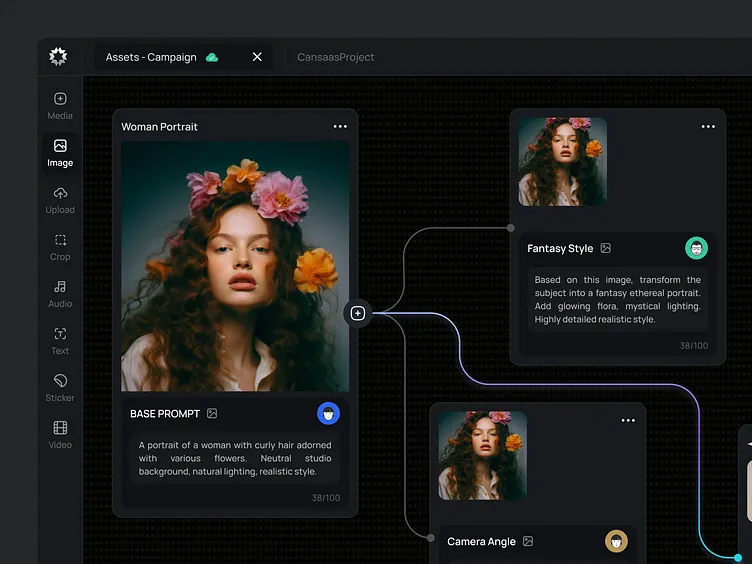

Introduction: Why Visuals Are the Heart of E-Commerce
You can’t touch a product online. You can’t smell it, try it on, or hold it in your hands. That means the image on the screen is doing all the heavy lifting — and buyers know it.Studies consistently show that high-quality product images are one of the top factors in purchase decisions. Poor visuals lead to abandoned carts. Great visuals build trust, drive clicks, and convert browsers into buyers.For years, getting those great visuals meant hiring photographers, renting studio space, buying equipment, and spending weeks in post-production. That model worked — but it was slow, expensive, and hard to scale.That’s changing fast. Artificial intelligence is stepping into the studio, and it’s bringing a revolution in how e-commerce brands create, manage, and optimize their product imagery. AI product photography isn’t a future concept anymore. It’s here, and forward-thinking brands are already using it to gain a serious competitive edge.
What Is AI Product Photography?
At its core, AI product photography uses machine learning and computer vision to generate, enhance, or transform product images — often without a camera, a photographer, or a traditional shoot.Instead of placing a product in a physical studio and lighting it with expensive rigs, AI tools can take a basic product image and turn it into a polished, professional visual. Some tools go even further, generating entirely new scenes, backgrounds, and lighting setups from scratch.
How It Differs from Traditional Photography
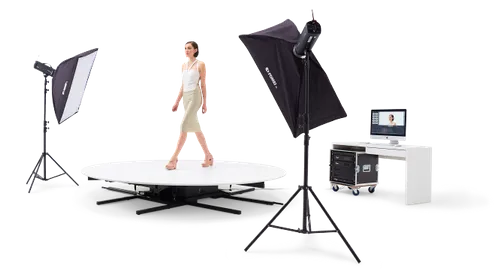
Traditional product photography involves:
- Booking a studio or photographer
- Physically staging and lighting the product
- Shooting dozens of frames to get one great shot
- Hours of editing and retouching in post-production
AI product photography flips this process. Instead of building the environment around the product, AI builds the environment digitally — often in seconds.
The result? Faster turnaround, lower costs, and images that can be customized endlessly without reshooting anything.
How an AI Product Photo Generator Works
You don’t need to understand the deep tech to appreciate what an AI product photo generator does. But a basic understanding helps you use these tools smarter.
Here’s a simplified look at the process:
Step 1 — Upload a Base Image You start with a simple photo of your product — sometimes even a smartphone snapshot works.
Step 2 — The AI Analyzes the Product The AI scans the image, identifies the product’s edges, shape, texture, and dimensions. It understands what it’s looking at.
Step 3 — Background and Scene Generation Using trained image models, the AI generates a background that suits the product — a marble countertop for skincare, a tech-forward desk setup for gadgets, a bright minimalist backdrop for apparel.
Step 4 — Lighting and Shadow Simulation This is where AI really shines (literally). The system simulates realistic lighting conditions — soft diffused light, dramatic shadows, natural daylight — without a single physical bulb.
Step 5 — Final Rendering and Export The final image is rendered at high resolution, ready for your website, marketplace listing, or social media ad.
Advanced platforms also allow multiple variations in one batch, letting you create dozens of unique e-commerce product images from a single source file.
Benefits for E-Commerce Businesses
The appeal of AI visual content goes beyond novelty. There are real, measurable advantages for brands of every size.
Dramatically Lower Costs
Traditional product photography can cost hundreds — sometimes thousands — of dollars per shoot. For a catalog with 500 SKUs, that adds up fast. An AI product photo generator can handle that same catalog for a fraction of the price, making professional visuals accessible to small businesses and solo sellers.
Faster Production at Scale
Speed matters in e-commerce. New products need to go live quickly. AI image generation can cut production time from weeks to hours, letting you launch faster and react to trends without waiting on a photographer’s schedule.
Unlimited Scalability
As your catalog grows, AI grows with you. Need 10 images? Done. Need 10,000? Still done — without hiring more staff or booking more studio time. Automated product photography scales effortlessly.
Consistent Brand Identity
One of the underrated wins of AI-generated visuals is consistency. Every image follows the same style rules — same lighting tone, same background aesthetic, same visual language. That coherence builds brand trust and creates a more polished shopping experience.
Real-World Use Cases
AI product photography isn’t theoretical. It’s already being used across industries to solve real problems.
Fashion and Apparel
Fashion brands are using AI to place products on virtual models, generate lifestyle backgrounds, and create seasonal variations without reshooting. A jacket can appear in a winter forest setting one week and an urban streetscape the next — all without a single outdoor shoot.
Consumer Electronics
Electronics brands need clean, sharp imagery that highlights product details. AI tools generate precise, high-resolution visuals with perfect lighting and consistent angles — ideal for showcasing ports, textures, and design details.
Beauty and Skincare
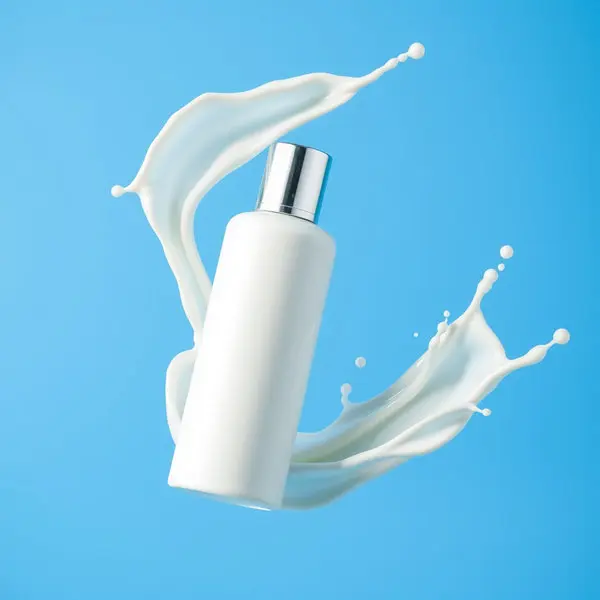
Skincare and cosmetics brands rely heavily on aesthetic appeal. AI lets them create luxurious-looking product scenes — think marble surfaces, soft shadows, and botanical backgrounds — that match their brand identity without expensive set design.
Marketplace Sellers
Independent sellers on platforms like Amazon, Etsy, or Shopify often can’t afford professional photography for every product. AI product photography levels the playing field, giving small sellers access to high-quality online store visuals that compete with big brands.
AI vs Traditional Product Photography: A Honest Comparison
Let’s be direct about where each approach wins.
| Factor | Traditional Photography | AI Product Photography |
| Cost | High (studio, crew, editing) | Low to moderate |
| Speed | Days to weeks | Hours to minutes |
| Flexibility | Limited by physical setup | Virtually unlimited |
| Consistency | Can vary between shoots | Highly consistent |
| Authenticity | High — real-world feel | Improving rapidly |
| Custom Styling | Possible but costly | Easy and fast |
Traditional photography still holds an edge in certain contexts — particularly for hero images, editorial campaigns, or situations where authentic texture and depth are critical. But for catalog imagery, product variations, and marketplace listings, AI is increasingly the smarter choice.The smartest brands aren’t choosing one over the other. They’re using AI product photography to handle volume and variation, while reserving traditional shoots for flagship campaigns.
Future Trends in AI Visual Content
The pace of innovation here is breathtaking. Here’s where AI visual content is headed over the next few years.
Hyper-Personalized Product Images
Imagine a future where every shopper sees product images tailored to their preferences. A customer who loves minimalist design sees clean white backgrounds. An outdoor enthusiast sees the same product styled in a nature setting. AI is making this kind of real-time personalization technically feasible.
Real-Time Product Rendering
As 3D modeling and AI rendering improve, product images will be generated on-demand in real time — adapting to device, context, and user behavior without any pre-rendered files.
Virtual Studios Without Walls
AI-powered virtual studios are eliminating the concept of a fixed set. Brands will be able to instantly simulate any environment — a Paris apartment, a beach resort, a futuristic cityscape — and place products within it convincingly. Product image optimization will shift from editing real photos to curating AI-generated scenes.
Integration with AR and 3D Commerce
AI-generated imagery will increasingly feed into augmented reality experiences, letting shoppers virtually place products in their homes or try on clothing through their phone cameras — with visual quality that was previously impossible to produce at scale.
Challenges and Ethical Considerations
Like any powerful technology, AI image generation comes with real responsibilities.
Accuracy and Authenticity AI-generated images must accurately represent the real product. Misleading visuals — products that look different in real life than in their AI-rendered images — erode trust and drive up return rates. Brands need clear guidelines to ensure AI imagery is beautiful and honest.
Creative Job Displacement The photography industry is understandably concerned. AI is automating work that photographers and retouchers have long relied on. The industry will need to adapt — with many professionals shifting toward roles that blend creative direction with AI tool management.
Intellectual Property Questions around who owns AI-generated images, what training data was used, and how copyright applies are still evolving. Brands using AI tools should stay informed as legal frameworks catch up with the technology.
Environmental Considerations Ironically, AI image generation — while eliminating the carbon footprint of travel and studio energy — requires significant computing power. As the technology matures, more efficient models will help balance this equation.
Best Practices for Using AI Product Photography
If you’re ready to incorporate AI product photography into your workflow, here’s how to do it right:
- Start with quality source images. Even the best AI needs a good foundation. Clean, well-lit base photos produce better results.
- Define your brand style guide. Decide on your preferred backgrounds, tones, and visual aesthetics before generating in bulk. Consistency is a feature, not an accident.
- Review every output. Don’t automate blindly. A human eye should check AI-generated images for accuracy, proportion, and brand alignment.
- Test performance. Run A/B tests comparing AI-generated visuals to traditional photography. Let the data guide your strategy.
- Stay compliant. On platforms like Amazon, there are strict image guidelines. Ensure your AI-generated product images meet all requirements before publishing.
- Use AI for scale, not shortcuts. The goal is better imagery at higher volume — not cutting corners on quality.
Conclusion: The Visual Future Is Already Here
E-commerce is a visual-first world. The brands that win are the ones that show up with compelling, consistent, high-quality imagery—across every product, every channel, every season.AI product photography makes that possible at a scale and cost that simply wasn’t achievable before. From automated product photography that handles your entire catalog to sophisticated rendering that creates lifestyle scenes on demand, the tools available today would have seemed like science fiction five years ago.This technology will keep advancing. The gap between AI-generated imagery and traditionally shot photography will continue to narrow — and in many contexts, it’s already closed.The question isn’t whether AI will transform e-commerce visual content. It already is. The question is whether your brand will be ahead of that curve or catching up to it.
Start exploring AI product photography tools today. Experiment with a small batch of images. Measure the results. Then scale what works. The future of your visual content strategy starts with a single upload.
Frequently Asked Questions (FAQ)
Q1: What is AI product photography and how does it work?
AI product photography uses artificial intelligence to generate or enhance product images digitally. You typically upload a base image of your product, and the AI creates professional-quality scenes complete with backgrounds, lighting, and shadows — without a physical studio.
Q2: Is an AI product photo generator good enough for professional e-commerce use? Yes, for most catalog and marketplace applications, modern AI product photo generators produce results that are indistinguishable from traditionally shot images. Quality varies by platform, so testing with your specific products is recommended before committing to large-scale use.
Q3: How much does AI product photography cost compared to traditional photography? Costs vary widely depending on the platform and volume, but AI product photography typically costs 60–90% less than traditional photography at scale. Many tools charge per image or via subscription, making them accessible even for small businesses.
Q4: Can AI-generated product images be used on marketplaces like Amazon or Etsy?
Generally yes, but each platform has specific image guidelines. For example, Amazon requires a pure white background for main product images. Always verify that your AI-generated visuals meet platform requirements before publishing.
Q5: Will AI product photography replace human photographers?
AI will significantly change — and in some cases reduce — demand for traditional catalog photography. However, human photographers will remain essential for editorial work, brand storytelling, and creative direction. The most successful future photographers will be those who learn to direct and leverage AI tools rather than compete against them.


