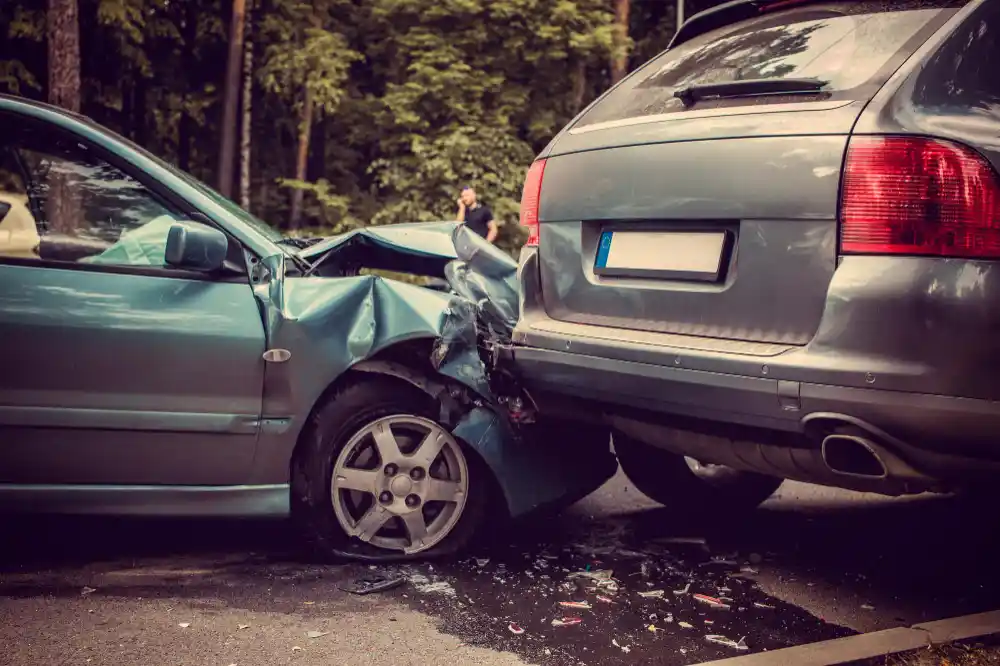

Car accidents are often attributed to obvious factors like speeding, distracted driving, or bad weather. However, many collisions stem from subtle and easily overlooked causes that can be just as dangerous. Everyday distractions, small mechanical issues, or even environmental factors—like glare from the sun or poorly maintained roads—can quickly turn an ordinary drive into a life-changing event. Understanding these less-discussed risks helps drivers stay alert and reduce their chances of unexpected mishaps.
When an accident does happen, determining the true cause isn’t always straightforward. Hidden factors such as faulty parts, improper signage, or negligent maintenance can complicate liability. In such cases, consulting a car accident lawyer Greenville NC residents trust can provide clarity and support in navigating the aftermath. Legal professionals, such as those at Wayne Hardee Law, help ensure that all contributing elements are examined thoroughly, giving victims a fair opportunity to seek compensation and accountability.
Sudden Unintended Acceleration
Sudden unintended acceleration (SUA) is a concerning phenomenon that occurs when a vehicle accelerates unexpectedly and without the driver’s intention. This can be caused by mechanical or electrical malfunction, as well as by pedal misapplication—where the driver mistakenly presses the accelerator instead of the brake. The National Highway Traffic Safety Administration has linked thousands of annual accidents in the United States to SUA incidents. The consequences of SUA can be devastating if quick corrective action is not taken, making this lesser-known risk one every driver should prepare for.
Road Debris
Unexpected objects on the road, such as tire tread fragments, construction materials, or items that have fallen from trucks, are collectively known as road debris. Collisions caused by these obstacles can result in severe vehicle damage or loss of control. Road debris was a factor in an estimated average of 50,658 police-reported crashes annually in the United States from 2011 to 2014, resulting in approximately 9,805 injuries and 125 deaths each year. Swerving to avoid debris can also cause multi-car accidents, underscoring the importance of maintaining a slow and steady approach when roads are littered with obstacles.
Drowsy Driving
Fatigue behind the wheel is sometimes dismissed as harmless, but it can be just as incapacitating as alcohol. Drowsy driving results in thousands of accidents annually, with many involving severe injuries or fatalities. Signs of drowsiness include heavy eyelids, trouble focusing, and frequent yawning. If these symptoms appear, it’s essential to pull over and rest. Preventing drowsy driving could save countless lives each year.
Poor Road Design
Some roadway hazards are structural. Inadequate lighting, confusing intersection layouts, poorly marked lanes, and sharp curves are just a few design flaws that increase the risk of accidents. For instance, a poorly designed roundabout or inadequate signage can create situations where drivers are forced to make split-second, risky decisions. Public advocacy for better infrastructure and communication with transportation authorities is an effective way to promote improved safety. Drivers should familiarize themselves with local road conditions, especially in unfamiliar or newly constructed areas.
Vehicle Defects
Not all dangers come from outside the car; some are due to what’s under the hood. Faulty brakes, defective airbags, or worn-out tires can all profoundly impact a vehicle’s safety performance. Routine inspections and prompt attention to recalls or warning lights are crucial steps to ensure your vehicle’s safety. If a manufacturer’s defect leads to an accident, legal action may be necessary to hold designers and automakers accountable—protecting not only yourself but also others.
Inclement Weather
Adverse weather conditions, such as heavy rain, snow, fog, and high winds, reduce both visibility and tire traction. Weather contributes to a significant number of vehicle crashes in the U.S. each year. Drivers should slow down, increase their following distance, and ensure that all safety features—such as windshield wipers and tires—are well-maintained for challenging weather conditions.
Night Driving
Reduced visibility after sunset substantially raises the chances of collisions. Night driving also intensifies the risks posed by fatigue, impaired drivers, and wildlife crossing the road. Fatal crash rates are three times higher at night compared to daylight hours. Using headlights wisely, staying attentive, and reducing speed are pivotal strategies for nighttime safety.
Conclusion
While speeding, distraction, and impairment may be the most recognizable threats on our roads, these less-obvious hazards also contribute to many accidents and injuries every year. Being knowledgeable and vigilant about these causes can make all the difference in preventing tragedies. Safe driving requires not only careful attention to your own actions but also an awareness of these subtle yet serious risks, which help create safer roadways for everyone.